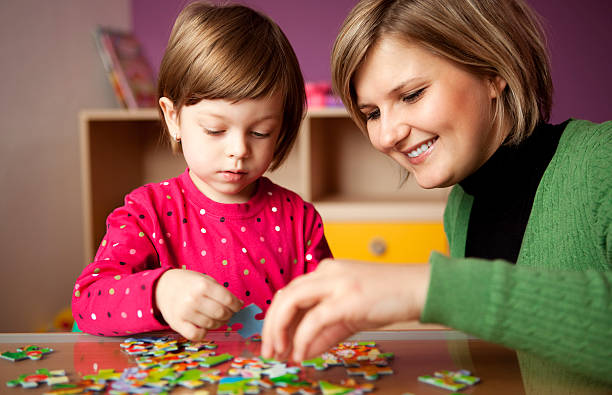
As parents, caregivers, and educators, we are constantly FCM99 seeking ways to engage children in activities that promote their growth and development. In an increasingly digital world where screen time often dominates children’s attention, it’s crucial to provide activities that stimulate their minds and offer more than just entertainment. Enter puzzle-based indoor games—activities that challenge young minds, engage their creativity, and foster essential cognitive, emotional, and social skills.
Puzzle-based games have long been recognized for their educational value and importance in child development. They serve as powerful tools that help kids build problem-solving skills, enhance memory, and develop critical thinking. Beyond these cognitive benefits, puzzles can also be fun and rewarding, making them an excellent choice for indoor activities. Let’s explore why puzzle-based games are essential for kids and how they contribute to their overall well-being and growth.
- Enhancing Cognitive Development
Cognitive development refers to the growth of a child’s ability to think, learn, and understand the world around them. Puzzle-based indoor games are one of the most effective ways to stimulate this development. By working on puzzles, children are engaging their brains in complex tasks that promote critical thinking, logical reasoning, and problem-solving.
Problem-Solving Skills: Puzzles encourage children to think analytically and systematically. Whether it’s a jigsaw puzzle, a Rubik’s Cube, or a logic puzzle, kids are often required to identify patterns, make predictions, and test solutions. These activities teach them that there is more than one way to approach a problem and that persistence is key to solving challenges.
Attention to Detail: Puzzles require kids to pay attention to small details in order to complete the task. Matching shapes, colors, or numbers teaches kids how to focus on specific elements and how these elements fit together to form a larger picture.
Memory Development: Memory is strengthened as children work through puzzles. Whether it’s remembering where a piece fits in a jigsaw puzzle or recalling a sequence of steps to solve a problem, puzzle-based games improve both short-term and long-term memory.
- Boosting Emotional Development
Puzzle-based games are more than just brain teasers; they also provide children with opportunities to develop emotional intelligence. As kids work through challenges, they experience a range of emotions, from excitement and pride to frustration and patience. These experiences can foster important emotional skills, including emotional regulation and resilience.
Patience and Persistence: Many puzzles require patience, as kids need to work step-by-step to complete the task. This teaches them the value of persistence and how to cope with frustration when they don’t get the immediate results they want. Over time, children learn that hard work and perseverance pay off, which can build a sense of accomplishment and confidence.
Self-Esteem and Confidence: Completing a puzzle provides a sense of achievement, which is vital for building a child’s self-esteem. When children successfully solve a puzzle, they feel proud of their accomplishment. This boosts their confidence and encourages them to take on new challenges in the future.
Regulation of Emotions: When faced with difficult tasks, children may feel frustrated or upset. Puzzle-based games offer an opportunity to teach kids how to regulate these emotions and remain calm in the face of challenges. Through practice, they learn that setbacks are part of the process and that it’s okay to ask for help when needed.
- Strengthening Fine Motor Skills
Many puzzle-based indoor games also help children develop fine motor skills, which are essential for tasks like writing, drawing, and using everyday objects. Manipulating small puzzle pieces, moving them into place, and using tools like pens or pencils during puzzle-based activities strengthens hand-eye coordination and dexterity.
Hand-Eye Coordination: Putting pieces together in a jigsaw puzzle or moving shapes in a matching game requires kids to align their hand movements with what they see. This improves their ability to coordinate visual and motor tasks, which is important in many everyday activities, from buttoning a shirt to playing sports.
Grip Strength and Dexterity: Tasks such as picking up puzzle pieces, drawing lines, or arranging blocks build grip strength and improve manual dexterity. These physical skills are essential for children as they prepare for activities that require precision, such as writing or using scissors.
- Fostering Social Skills
While many puzzles are solo activities, there are also many multiplayer puzzle-based games that can help children build valuable social skills. Working on a puzzle together requires communication, collaboration, and sharing. These social skills are critical for children as they develop their ability to work in teams and form positive relationships with peers.
Teamwork and Cooperation: When children collaborate on a puzzle, they must communicate and cooperate to achieve a common goal. They may take turns placing pieces or suggest ideas about how to approach the puzzle. This fosters teamwork and teaches kids that working together is often the best way to solve problems.
Sharing and Taking Turns: Many puzzle-based games, such as board games or card puzzles, require children to share pieces or take turns. This helps them learn how to share resources and respect others’ turns, promoting positive social interactions and empathy.
Conflict Resolution: In group puzzle activities, conflicts may arise, whether it’s about which piece goes where or how to approach a challenge. These situations offer opportunities for children to practice resolving conflicts in a calm and constructive manner. Learning to handle disagreements and negotiate solutions is a crucial social skill.
- Encouraging Creativity and Imagination
Puzzle-based games, particularly those that involve open-ended tasks, can encourage creativity and imaginative thinking. Games like building blocks, pattern-making puzzles, and 3D puzzles allow children to create their own solutions and designs, offering a space for creative exploration.
Spatial Awareness and Visualization: As children work with puzzles, they learn to visualize how different pieces fit together and how they can manipulate shapes and forms to create a whole. This helps develop spatial awareness, which is essential for many aspects of daily life, such as navigating spaces or solving math problems.
Open-Ended Play: Certain types of puzzles, such as building sets or art-based puzzles, encourage children to think creatively about how they can use the pieces to create something unique. This open-ended play allows children to explore their imagination and develop original ideas.
Innovation and Problem Solving: When working with puzzles that don’t have a single solution, children are encouraged to think creatively about how they can overcome challenges and achieve their goals. This fosters innovation and out-of-the-box thinking, skills that will serve them well as they grow.
- Fun and Engaging Learning Experience
One of the most appealing aspects of puzzle-based games is that they are fun. When children enjoy what they are doing, they are more likely to stay engaged and motivated. Puzzle-based games transform learning into a playful activity that doesn’t feel like work. This combination of fun and learning creates a positive experience that children will want to return to time and time again.
Engagement and Focus: Puzzles require attention and concentration. The process of working through a puzzle can be deeply engaging, helping children improve their ability to focus on tasks for extended periods. This focus can transfer to other areas of life, including schoolwork and activities outside of play.
Intrinsic Motivation: The sense of accomplishment that comes from solving a puzzle provides intrinsic motivation for children. They learn that the reward comes from their effort, rather than from external rewards like praise or prizes. This teaches them the value of persistence and intrinsic satisfaction.
Conclusion: The Power of Puzzle-Based Games in Child Development
Puzzle-based indoor games are more than just a source of entertainment—they are an essential tool for developing a child’s cognitive, emotional, and social abilities. Through puzzles, children can enhance their problem-solving skills, boost their memory and focus, build patience and self-esteem, and learn to collaborate and communicate with others. Additionally, these games promote creativity, improve fine motor skills, and offer a fun, engaging way to learn.
In a world filled with distractions, puzzle-based games provide a much-needed break from screens while encouraging children to think critically and creatively. As we strive to create well-rounded individuals, incorporating puzzles into children’s daily activities is an invaluable way to foster their growth and prepare them for the challenges of the future.
 Site Title